



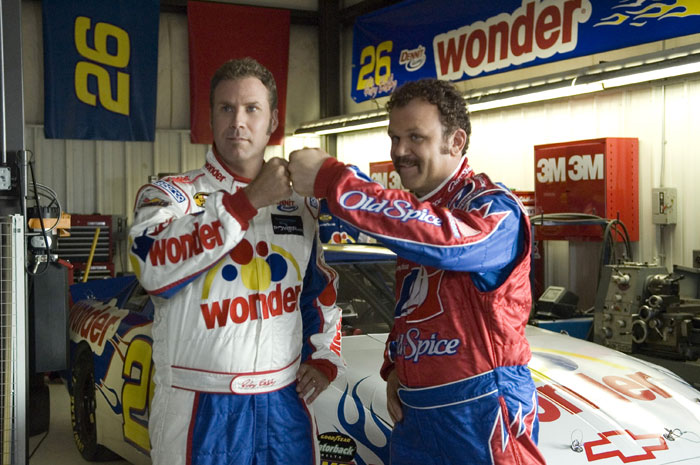
Fans of Will Ferrell and the film Talladega Nights will be familiar with Ferrell’s character’s motto for life, which transpires to be hollow. However, with the release of AdWords’ new Top V Side report there may be some uncomfortable truths at play.
The new segment which shows the performance of ads running in the top of the page compared to the side illustrates the real difference that position plays. Ads running at the top of the page dramatically outperform those on the side by a factor of 10 or more. Here at PPC Rescue, we’ve found that a Click-through rate (CTR) on the side of more than 1% is rare, whilst it’s a totally different ball game for the top.
When it comes to new developments with Google AdWords, I always think of what’s in this for Google. Google just don’t release functionality for the common good; it’s nearly always driven by profit. Take the Wonder Wheel tool, an invaluable insight into how search terms were related and in the right hands, a brilliant tool for SEO and Quality Score improvements. As soon as we all began cutting cost through Quality Score improvements, the Wonder Wheel disappears overnight. Its ability to drive positive change for customers, reduce costs and improve SEO ranks was a step too far for Big Brother.
So why has Google released this new report to us? We’re all going to look at the results and exclaim “What’s the point in being on the side? All of the conversions seem to take place in the top area.” For the side guys, it’s only when you’re occasionally shown there that you attract conversions. Everyone will try to take the top area and in the process dramatically increase the CPC.
We’ve used some very advanced AdWords secrets to keep our customers in the top positions and we’ve dramatically improved conversion rates using the new data.
Over the weekend I’ve really pondered something else, and that’s copy writing and the user’s understanding of Google search results. How can there be such a difference in CTR between the top and the side? Quality copy should achieve results where ever it is, but does it? Could I create an appallingly bad ad and still achieve success in the top positions? Luckily, I’ve tested it and the answer is a little fuzzy: yes the CTR is killed, but it will perform better than a good ad on the side.
Copywriting isn’t dead yet but position on the page is vital.
This leads to another issue I have. Do searchers really know the difference between organic and paid listings? The lower CTR for the side seems to indicate they do and they’re not so keen to click an ad. They appear to assume that the centre and top of the page are organic instead of mixed. This is backed up by virtually everyone I meet. Normal internet users appear to believe the main body is all organic. To most, the number 1 SEO website is the third site behind the top highlighted PPC assumed organic listings. They’re always surprised when they find out the truth. Personally, I find SEO has fallen foul of years of abuse and the quality/relevancy of organic lists is a joke these days – even looking for general information is a bit of a nightmare. Too often it’s back to Wikipedia, and the data there isn’t exactly dependable.
There is a genuine lack of diversity in SEO results. No wonder Google appears to be placing more emphasis on paid listings. With CTR now showing in webmaster tools I wouldn’t be surprised to find that Quality Score is being used on organic listings. Now that’s going to be a very steep learning curve for SEO sites – the Panda update will look like a small bump on the road!
In summary, if you want to be number one on Google for organic, you’d better open an AdWords account or settle for third in the listings!


Pingback: What’s the Plan, Stan?
We’ve carried out extensive testing using the new segment; achieving dominance of the top position has had some interesting side effects. Costs escalated dramatically but you cannot effectively remove side impressions.